Plain-English investing notes for complete beginners — stocks, funds, bonds, risk, the economy and crypto tokens. Every number links to a primary source.
Before electronic tickers, central bank rates and corporate news were printed on continuous industrial paper reels. Financial prices reflect information the moment it is published.
Film: Stockholms-Tidningen press room, from “Varje dag en världsrevy” (AB Svensk Filmindustri, 1937). Public domain, via Wikimedia Commons.
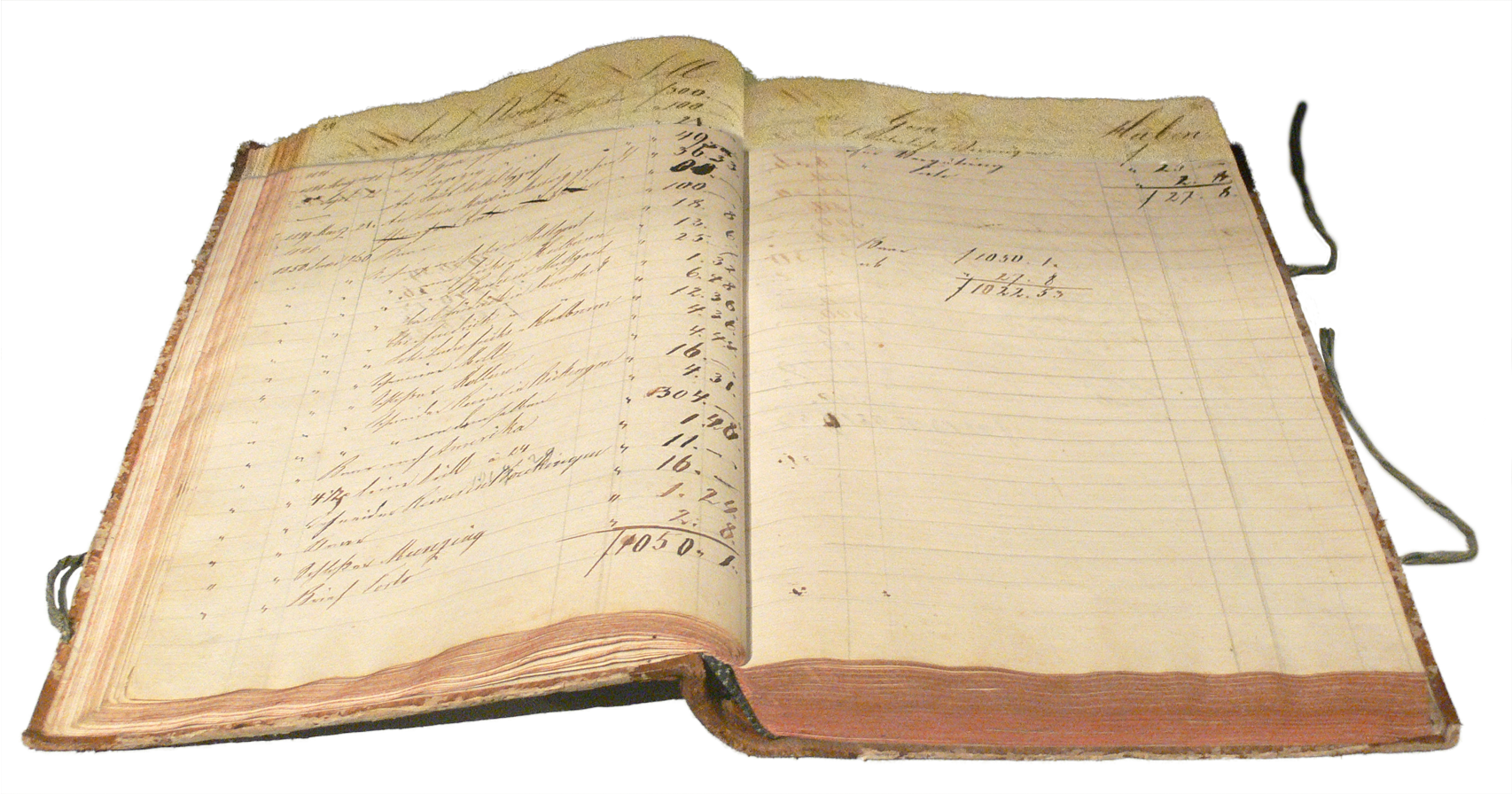
LEIPZIG ARCHIVE · 1828
HISTORICAL RECORD · DOUBLE-ENTRY BOOKKEEPING
Assets, Liabilities & True Value
Double-entry accounting is the mathematical bedrock of all financial markets. A share of stock is not a lottery ticket; it is a legal claim on assets recorded in a balance sheet.
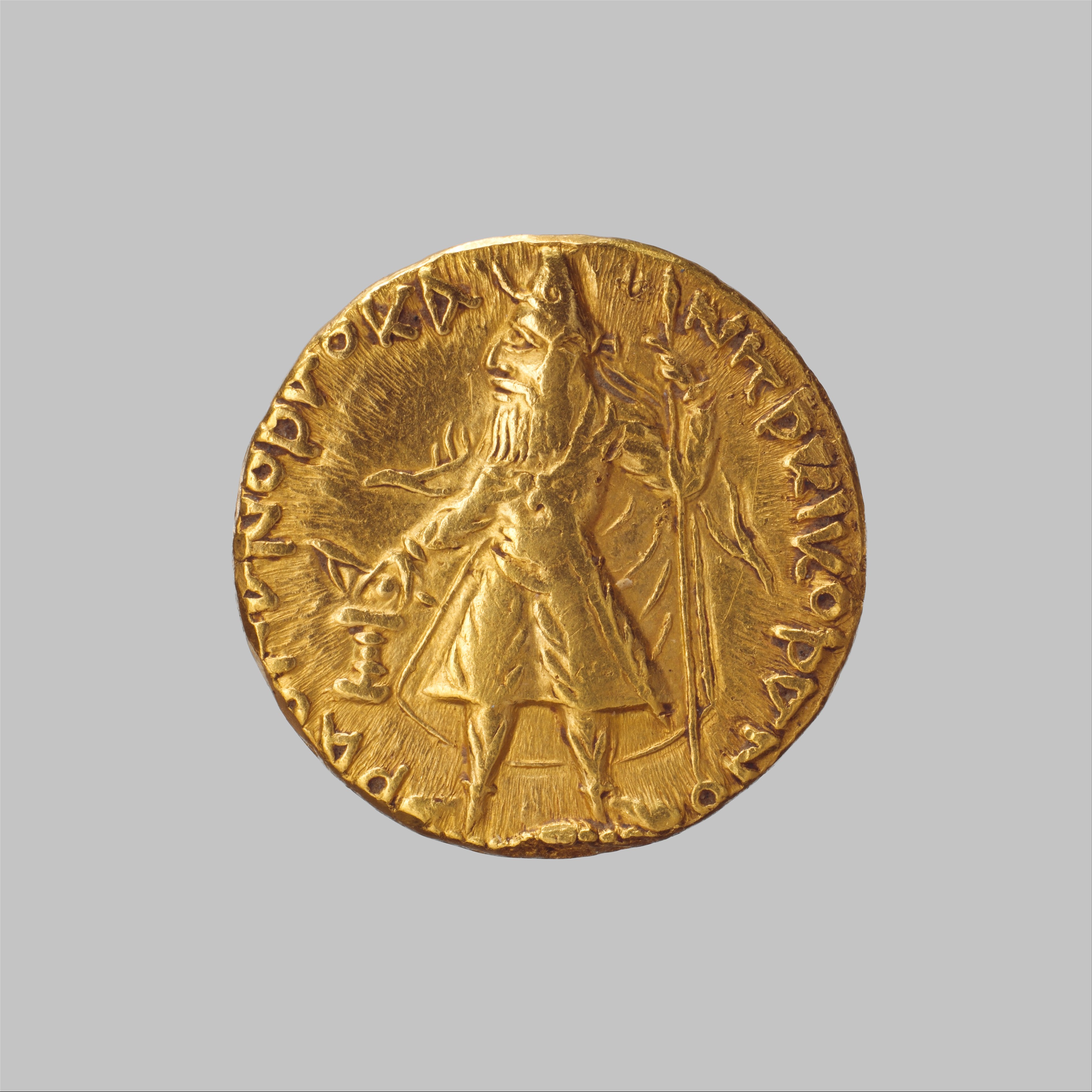
A token is an immutable unit of value verified by shared consensus. Ancient mints struck scarce tokens in gold; modern networks record them on cryptographic ledgers.
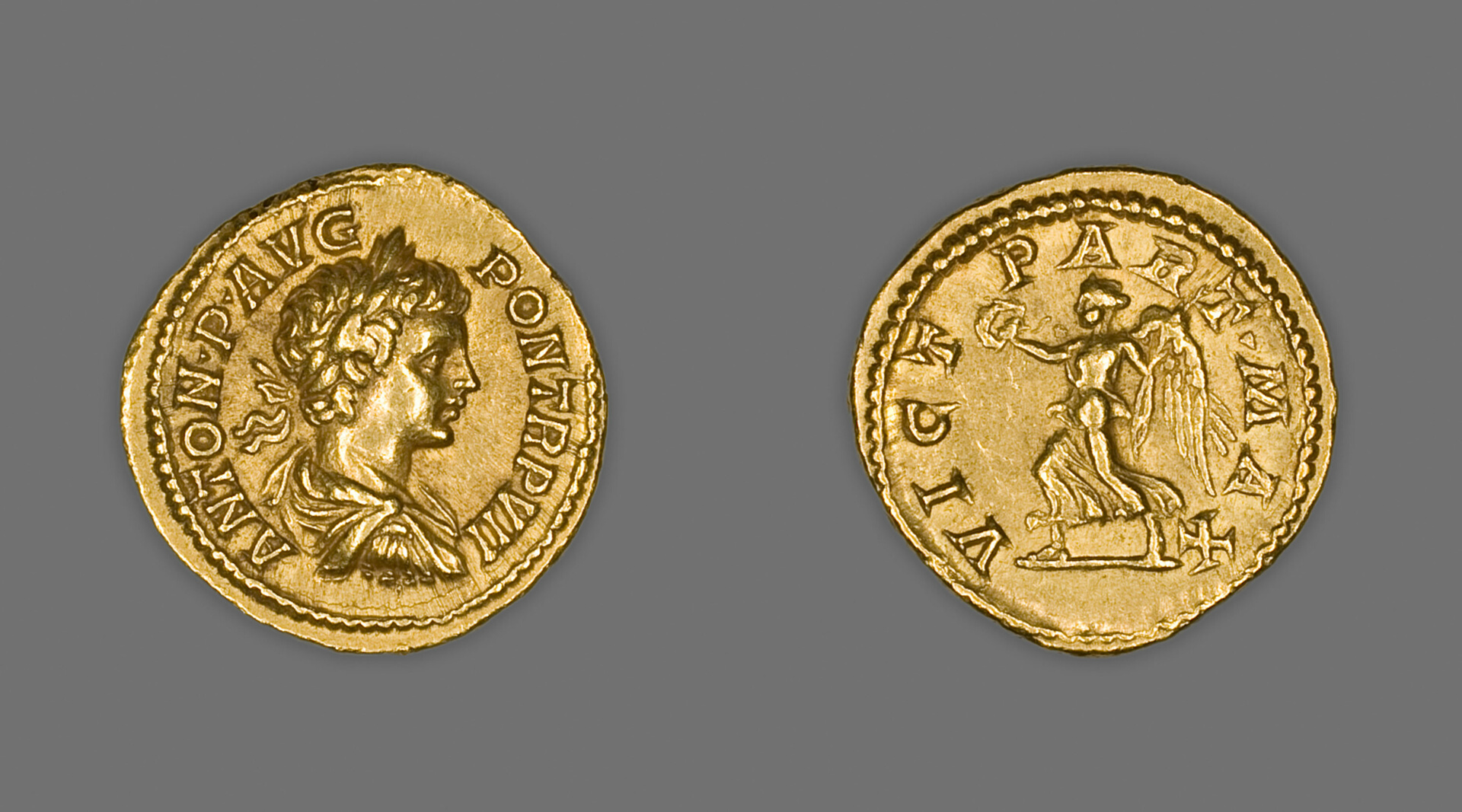
When Rome reduced the precious metal content of its coins to pay debts, prices rose. Inflation is not a new problem; it is the oldest hidden penalty on uninvested cash.
Continuous monthly investing compounds exponentially when fees are kept near zero. Decades of disciplined ledger accounting outlast market speculation every time.
COMPOUND INTEREST REWARDS DECADES, NOT DAYS/ 1% ANNUAL FEE STRIPS 34% OF 30-YEAR WEALTH/ TIME IN THE MARKET BEATS MARKET TIMING/ EVERY REGULATORY DATA POINT LINKS TO PRIMARY SOURCES/ DIVERSIFICATION IS THE ONLY MATHEMATICAL FREE LUNCH/ INFLATION QUIETLY TAXES UNINVESTED CASH/ COMPOUND INTEREST REWARDS DECADES, NOT DAYS/ 1% ANNUAL FEE STRIPS 34% OF 30-YEAR WEALTH/ TIME IN THE MARKET BEATS MARKET TIMING/ EVERY REGULATORY DATA POINT LINKS TO PRIMARY SOURCES/ DIVERSIFICATION IS THE ONLY MATHEMATICAL FREE LUNCH/ INFLATION QUIETLY TAXES UNINVESTED CASH/
Eight tracks to financial literacy.
Curriculum Track 1
Investing Basics
What investing is, how risk and return trade off, how inflation erodes cash, and why compound interest rewards patience.
Investing is putting money into assets that may grow over time, in exchange for accepting that their value can fall. Here is how it differs from saving, with numbers.
A bond is an IOU: you lend money, the issuer pays interest and returns the principal on a set date. Here is how the cash flows work and what can go wrong.
Diversification means not letting one investment decide your fate. Here is the arithmetic of spreading money out, the two levels regulators describe, and the limits nobody should skip.
A loss tends to weigh on us more than a gain of the same size. That tilt can lead investors to sell in a panic, hold losers too long or keep too much in cash.
The Fed sets a target range for one overnight rate between banks, then uses tools such as the rate it pays on bank reserves to keep it there. Other rates follow, loosely and with a lag.
A token is an entry on a shared digital ledger, controlled by a secret key. Here is what the main types are, what holding one really means, and why prices swing so hard.
Compound interest is interest earned on interest. In year one it looks tiny; after a few decades it can be most of the balance. Here is the arithmetic, step by step.
An exchange is a marketplace that matches buyers and sellers. Here is how prices are quoted, where your broker sends your order, and what happens after the trade.
A bond's coupon is fixed, but market rates are not. When new bonds pay more, older bonds must get cheaper to compete. Here is the arithmetic, with the SEC's own example.
Yes. The checklist is an ordinary page on this site: there is no account to create, no ads, no affiliate links and nothing to sell. The calculators that show the arithmetic behind the notes are free too.
Who runs The Token Thesis, and is it independent?
The notes are written and checked by The Token Thesis Desk, a small editorial team that works from public primary sources. The site is funded by its owner and receives no money from any broker, exchange, fund company or crypto project. See how we are funded.
Where do the numbers come from?
Every number, date, rule or named organization in a note links to its source in the list at the bottom of the page. Primary sources such as regulators, central banks and statistics agencies are marked Grade A, and worked examples are calculated in code. Read our editorial policy.
Where should a complete beginner start?
Read the numbered notes in order from the start here page, beginning with what investing is. Before your first investment, work through the checklist: budget, emergency fund, high-interest debt, goals, risk, fees and background checks.
Do you give investment advice or trading signals?
No. We are not a broker, an investment adviser or a financial planner, and nothing on the site is personal advice. We do not publish stock picks, price targets, trading signals or "what to buy now" lists.
Questions about this thesis.
Is The Token Thesis completely free?
Yes. The notes, curriculum, checklists, and calculators are public and completely free. There are no paid courses, no paywalls, no newsletters, and no subscription tiers.
Do you accept sponsorships or token promotions?
No. We accept zero money from brokers, crypto exchanges, token issuers, or financial institutions. We publish zero sponsored reviews or token shills.
Where do the numbers come from?
Every factual number, historical metric, formula, and legal regulation cited in a note links directly to a primary source (SEC, Federal Reserve, US Treasury, BLS).
Do you provide financial advice or trade signals?
No. We provide financial education only. We are not a registered investment advisor or broker-dealer, and we never give personalized buy/sell recommendations.