News analysis ·
Fed holds at 3-3/4 to 4 percent: reading the 10 – 2 vote
The Fed kept its target range at 3-3/4 to 4 percent, with two officials voting for a hike. How to read the vote, the wording and the rate itself.
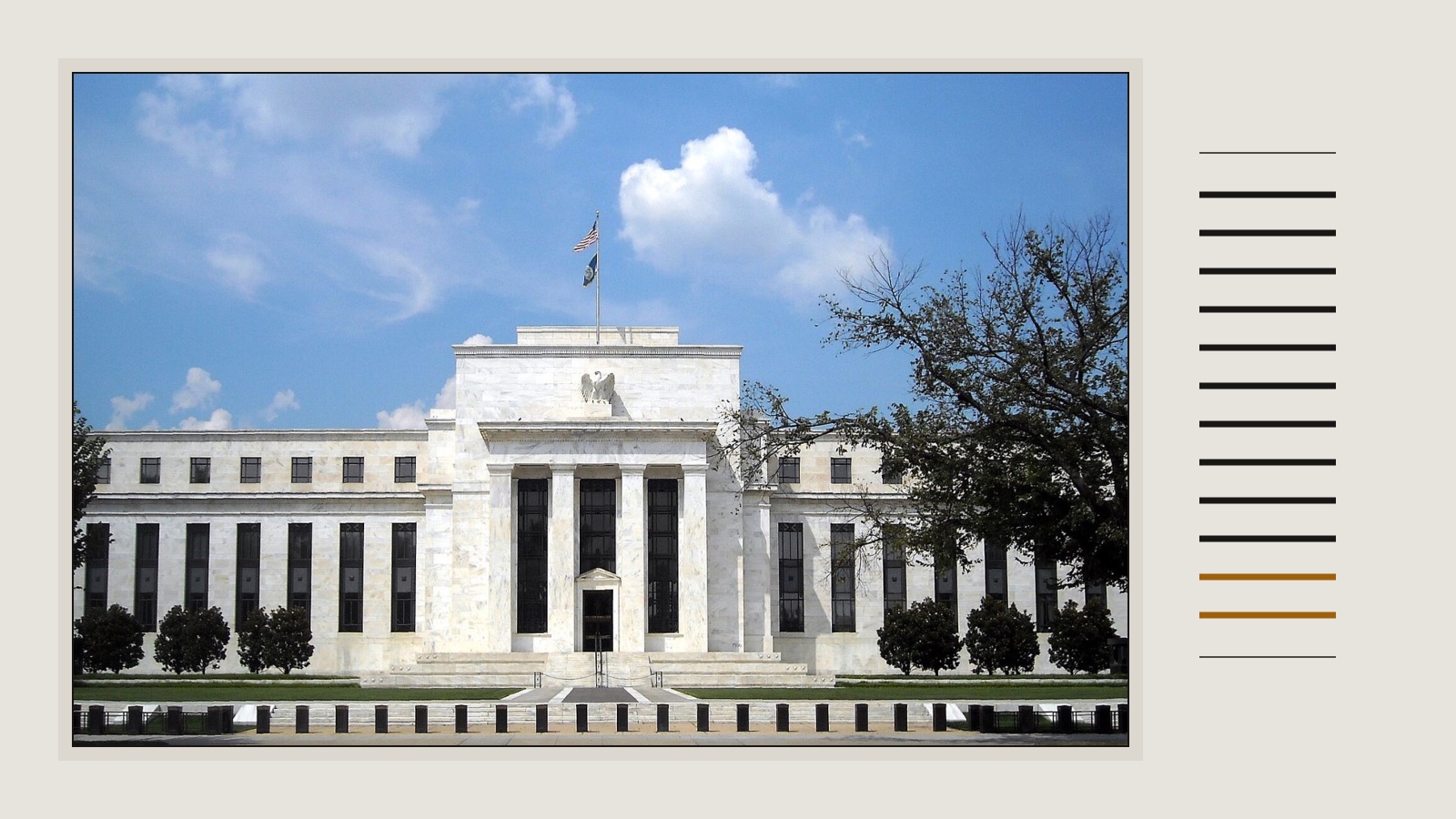
The Federal Reserve left its main policy rate unchanged on October 28, 2026, keeping the federal funds target range at 3-3/4 to 4 percent. The decision was not unanimous: the statement passed 10 – 2, and both dissenters wanted a hike. This article looks at what was decided, what the rate actually measures, and how a long-term investor can read a split vote without turning it into a forecast.
The decision and the split
According to the Federal Reserve's statement, the Federal Open Market Committee, the group that sets US policy rates, held the target range steady and linked the choice to its dual mandate. That mandate is the pair of goals Congress gave the Fed: stable prices and maximum employment.
Two members voted against. Lisa D. Cook and Beth M. Hammack wanted an immediate 1/4 percentage point increase instead of a pause. A dissent is recorded by name in the statement, so it is a public signal, not a private grumble.
CNBC reported the outcome as a hold and noted that Fed Chairman Kevin Warsh used the press conference afterward to explain his view of the economy. CNBC added that Warsh also disclosed coming procedural changes, which it suggested could matter most to close Fed watchers.
How it is measured: what the target range is
The federal funds rate is the interest rate banks charge each other for overnight loans of reserves, the money banks keep at the Fed. The committee does not set one exact number. It sets a band, here 3-3/4 to 4 percent, and uses its tools to keep the actual overnight rate inside it.
The statement also said the Fed will keep its policy of ample reserves in the banking system. In plain terms, the Fed intends to keep reserves in the banking system plentiful, which is part of how it keeps the overnight rate inside the band. A change in the band is the headline; the reserves policy is the plumbing that makes it work.
Rates throughout the economy, from savings accounts to many loans, tend to take their cue from this overnight band. That is why one short statement can reach so far.
Reading the statement wording
A Fed statement is short, and each phrase is chosen with care. This one described economic activity as expanding at a strong pace. It called domestic spending resilient, productivity growth strong and capital investment robust. On jobs, it said hiring has matched labor force growth, while joblessness has barely moved.
Then came the key line: inflation is still elevated. The committee said gathering more information will help it pick the stance needed to bring inflation back to its 2 percent goal in a timely way. It also flagged elevated uncertainty, partly tied to geopolitical developments.
Put together, the wording describes a strong economy with inflation still above target. That combination usually explains why some members lean toward tighter policy. The two dissents show that this view already has votes on the committee.
What forecasters told CNBC
Analysts quoted by CNBC read the same decision differently. Phil Camporeale of JPMorgan Wealth Management said the Fed seems to prefer waiting for more information on where rates should sit. Thomas Simons of Jefferies said he would not call Warsh's message clearly dovish or hawkish, and that markets may still need time to adjust to his style of communication.
Seema Shah of Principal Asset Management was more direct. She said the Fed is still taking back part of last year's rate cuts, and her firm looks for one increase in December and another in early 2027. "The Fed has time on its side ... But the direction of travel remains clear." These are forecasts from one firm, not Fed plans, and forecasts of this kind are often revised.
Why it matters over years, not days
For a long-term investor, the level of the policy rate matters less than the reasons behind it. A hold with dissents for a hike tells you the committee sees inflation as the bigger open problem. That shapes the cost of borrowing, the yield on new bonds and the rate used to value future earnings, gradually and over many meetings.
Split votes are also a reminder that policy is a judgement, not a formula. Officials looking at the same data can disagree. Reading the statement, the dissents and the reasons gives you a fuller picture than any single headline, and it helps you avoid reacting to every move in expectations.
- If borrowing costs stay higher for longer, does my plan still work for my own time horizon?
- How much of my portfolio is sensitive to interest rates, such as bonds or rate-linked income?
- Am I making decisions from my own goals, or from forecasts about the next Fed meeting?
None of these questions needs a guess about the next decision. They only need a clear view of what you own and why. Remember that bonds, shares and other investments can lose money, and rate changes are one of many reasons their prices move.
Sources
- Federal Reserve, 28 Oct 2026
- CNBC, 28 Oct 2026
AI-drafted from the official releases cited above and published automatically after checks that every number matches its source and no sentence is copied. No human edited it. It explains what the data means for long-term investors, not what to trade.