News analysis ·
US 10-year yield at 5.1%: reading the CBO's rate math
The 10-year Treasury yield is at 5.1% after a $1.992 trillion deficit. We explain how the CBO links rates to future deficits and why it matters.
The US government ran a deficit of $1.992 trillion in fiscal 2026, while the 10-year Treasury yield has climbed to 5.1%, CNBC reported. The two numbers feed each other. This article looks at how the Congressional Budget Office turns interest rates into future deficits, and why that loop matters to someone investing over decades.
The release: a bigger gap and a higher yield
Treasury data published on Friday showed the fiscal 2026 deficit at $1.992 trillion, up 12% from the year before. CNBC estimated that the gap equals approximately 6.2% of gross domestic product, using an early estimate of third-quarter output.
Over the same months, borrowing costs rose. By midday Friday the 10-year Treasury yield stood at 5.1%, up 114 basis points since the end of February. A basis point is one hundredth of a percentage point. CNBC tied part of the rise to the war with Iran that began on Feb. 28, which pushed oil and diesel prices sharply higher and made bond buyers wonder whether central banks such as the Federal Reserve might raise rates.
There is a second, slower force. According to CNBC, investors want extra pay to hold long-dated bonds because they expect the government to keep issuing large amounts of them. Companies building artificial intelligence infrastructure are also borrowing in the hundreds of billions, so they compete with the Treasury for the same pool of savings.
How it is measured: deficits, GDP and the CBO's rate scenarios
The deficit is simple arithmetic: federal spending in the fiscal year minus what was collected. A dollar total is hard to judge on its own, because the economy grows. So analysts divide it by gross domestic product, the value of everything the country produces, to see the gap relative to the economy that carries it.
The CBO works differently. It builds a ten-year baseline using assumptions about growth, inflation and interest rates. In that baseline, the 10-year Treasury averages 4.3% over the decade. Today the yield is 5.1%. The agency also publishes what happens if its rate assumption is wrong.
Those sensitivity figures are the core of this story:
- If rates run a half-point above the CBO's assumptions, cumulative deficits over 10 years come in $1.9 trillion higher.
- If rates overshoot by 1.5 points, the extra deficits reach $6 trillion.
- CNBC noted that these harsher outcomes require rates across the economy to stay elevated for years, not weeks.
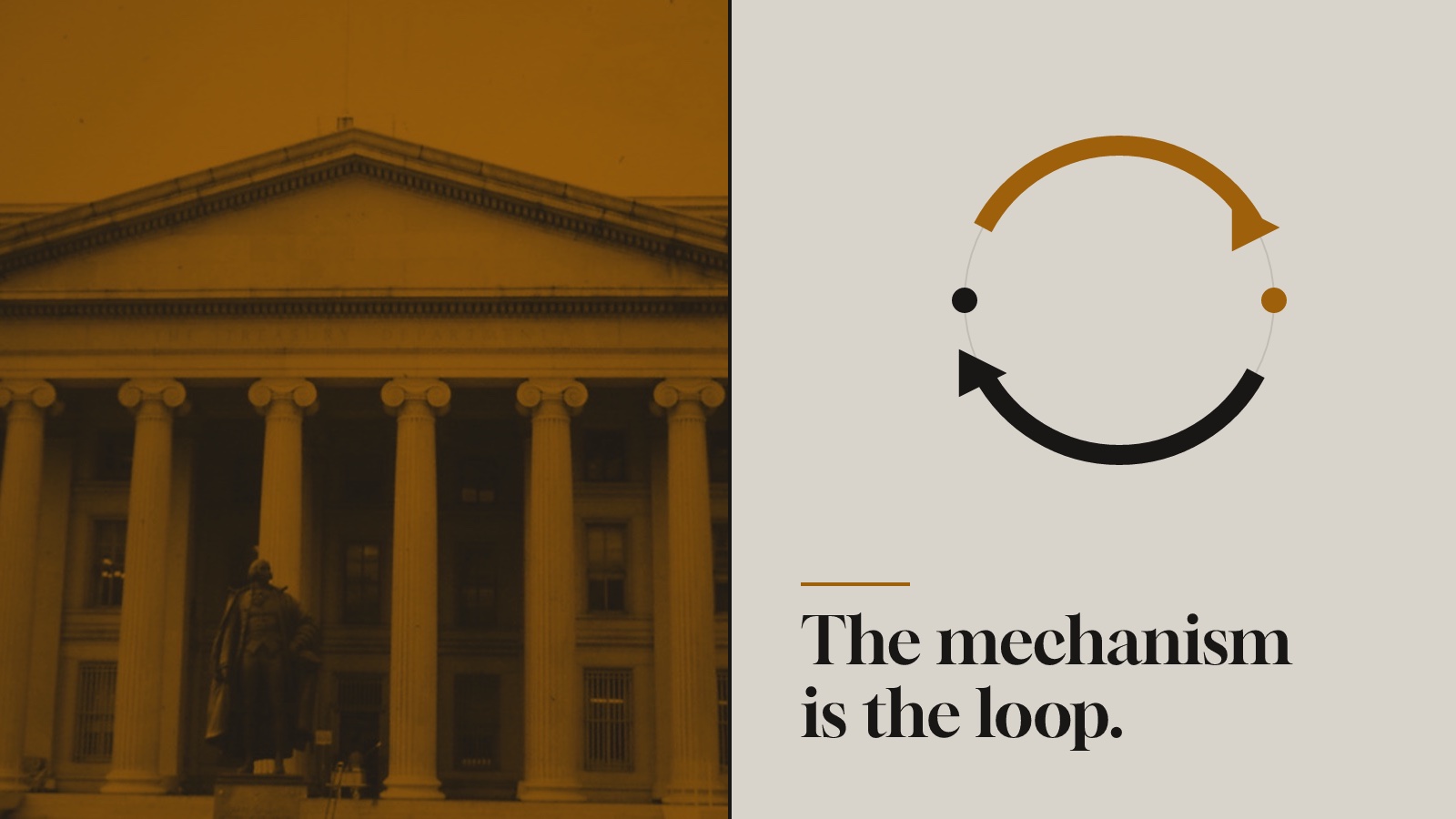
The mechanism is the loop. Higher yields raise the interest bill on new and refinanced debt. A larger interest bill widens the deficit. A wider deficit means more bond issuance, which can keep yields high. CNBC argued the loop can also run the other way: a credible plan to cut the deficit would likely ease long-term yields, though by an uncertain amount, and a slower economy or cheaper oil could pull yields down too.
Why it matters over years, not days
For a long-term investor, the 10-year Treasury yield is more than a bond price. It is a reference rate for long-term borrowing costs. CNBC noted that the average 30-year fixed mortgage rate is near 7.5%, and that Redfin reported a 4% fall in September pending home sales, its largest monthly drop in three years.
The policy picture suggests the debate will last. Treasury Secretary Scott Bessent has argued for a deficit below 4% of GDP by the end of President Trump's term, a goal CNBC described as almost certainly out of reach. Bessent has stressed growth instead: "My view is that we've got this mountain of debt, and we have to grow our way out of it". The Committee for a Responsible Federal Budget, which favours balanced budgets, estimated that growth alone could close the gap only if the economy expanded 7.2% a year for a full decade. For context, second-quarter growth was recently revised to an annualized 2.2% from 1.5%.
Politics adds time. With the Nov. 3 midterms expected to produce divided government, CNBC judged that fiscal fixes are years away. Total US debt reached $40 trillion this year, and CNBC noted that no one knows the level at which it becomes unsustainable.
None of this is a crisis. CNBC was careful to say that expensive borrowing is not the same thing, and that higher yields are also drawing buyers into government bonds. The point for a patient reader is narrower: the CBO's own scenarios show that the path of interest rates can change the fiscal outlook by trillions of dollars, so the rate assumption is worth watching as closely as the deficit itself.
Questions to ask about your own plan
These questions connect the fiscal numbers to your own choices without guessing where rates go.
- Do I understand how the bonds or bond funds I hold would react if long-term yields stayed high for several years?
- Does my plan depend on borrowing costs returning to an earlier level, and what happens if they do not?
- Am I reading headlines about debt and deficits as long-run context, or letting them push short-term decisions?
Sources
- CNBC, 26 Oct 2026
AI-drafted from the official releases cited above and published automatically after checks that every number matches its source and no sentence is copied. No human edited it. It explains what the data means for long-term investors, not what to trade.